
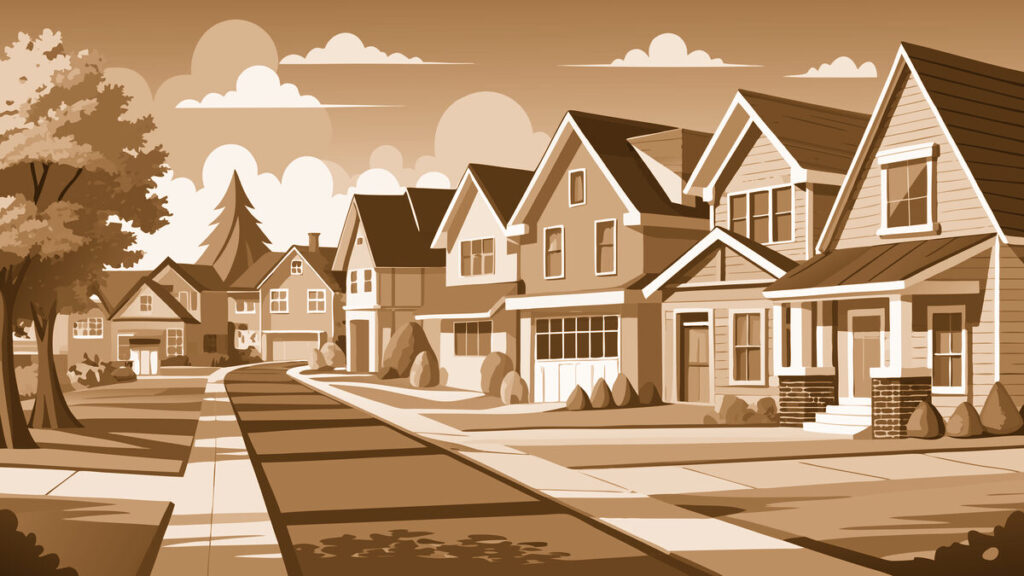
Discovering Casa Linda: Roots in Dallas’ Past
Nestled just east of White Rock Lake, Casa Linda is one of Dallas’ most beloved and picturesque neighborhoods. Known for its towering trees, curving streets, and enduring sense of community, Casa Linda wears its history proudly—not simply in architecture and street names, but in the spirit of its residents. For those curious about Dallas’ rich tapestry of neighborhoods, Casa Linda is a gem worth exploring, both for its fascinating beginnings and its evolution into the vibrant enclave it is today.
Origins: A Vision Born in the 1930s
Casa Linda’s story begins in the shadow of the Great Depression, when brothers Carl Brown and Howard Brown dreamed of transforming a sprawling tract of hilly farmland into a beautiful residential oasis. The land, dotted with native oaks and rolling meadows, stretched along Garland Road to what is now Buckner Boulevard, bordered to the west by the newly established White Rock Lake.
The Browns’ vision was ambitious. They saw a “beautiful home” (the English translation behind the name Casa Linda) community, infused with Spanish and Mexican influences—a nod to Dallas’ southwestern roots. As the city expanded in the early 20th century, and as nearby neighborhoods like Lakewood gained prominence, Casa Linda’s promise of spacious lots and tranquil living began to draw Dallas families looking to put down roots.
How Casa Linda Got Its Name
The name “Casa Linda” was born out of a desire to evoke both beauty and a welcoming spirit—“casa” meaning house, and “linda” meaning pretty in Spanish. Howard Brown’s wife, likely inspired by the idyllic lands, is often credited with coining the phrase that would lend the neighborhood its lasting identity. This simple, elegant title reflected the Browns’ goal of creating not just a collection of houses, but a true neighborhood—a “pretty home” community where pride and belonging went hand in hand.
You’ll find this heritage reflected today in details as simple as the original stone markers at major entrances and the distinctive Spanish-style arches that grace many classic Casa Linda homes.
Key Milestones: Development and Growth
Casa Linda saw its first homes constructed in the late 1930s and early 1940s—a period marked by growth across Dallas as the region rebounded from the economic downturn. The Browns ensured that winding streets followed the natural contours of the land, while lots were dimensioned generously, affording both privacy and tranquility.
The most significant development in Casa Linda’s history arrived in the 1940s with the creation of the Casa Linda Plaza. This shopping center quickly became a defining feature, not just for Casa Linda, but for all of East Dallas. Located at the intersection of Buckner Boulevard and Garland Road, the Plaza was among Texas’ earliest suburban shopping centers. Family-owned for decades, Casa Linda Plaza became the neighborhood hub for groceries, dining, pharmacy visits, and (for generations) those Saturday outings that turned neighbors into friends.
Notable Landmarks and Enduring Institutions
Over the decades, Casa Linda has been home to several institutions and landmarks that define its charm:
- Casa Linda Plaza: With its original Spanish-style architecture, it stands as both a shopping destination and a symbol of the neighborhood’s enduring commercial heart.
- Reverchon Park and Casa Linda Park: Casas Linda is graced with green spaces like Casa Linda Park on San Saba Drive—favorite spots for summer picnics, youth sports, and leisurely walks under a broad canopy of old oaks.
- St. Bernard of Clairvaux Catholic Church: Located on Buckner Boulevard, this parish opened in the 1940s and is still an anchor for the area’s faith community.
- Merit Coffee and other local favorites: The Plaza and surrounding blocks have welcomed waves of beloved local spots, from bakeries to coffee shops. These businesses recall the neighborhood’s strong tradition of supporting homegrown entrepreneurship.
Notably, the district’s distinctive homes—many built in the mid-century era—feature architectural flourishes like arched doorways, terracotta tile roofs, and hand-stuccoed exteriors, reflecting the Browns’ early vision even as new homes and renovations continue to appear.
Casa Linda Today: Evolution and Community
While Dallas’ skyline has transformed dramatically over the decades, Casa Linda has managed to maintain its neighborhood feel, even as new generations move in. Streets like Easton Road, San Saba Drive, and Andrea Lane are dotted with homes that have been lovingly restored or modernized, but retain classic features and vintage charm.
Casa Linda’s evolution has brought in a vibrant mix of families, young professionals, and longtime residents. New shops and cafés have revitalized the area around the Plaza, all while keeping a close eye on tradition. Community groups and neighborhood associations remain active, hosting events and advocating for the preservation of green spaces, walkability, and local schools.
Proximity to White Rock Lake, one of Dallas’ outdoor jewels, continues to draw weekend cyclists and nature lovers. The neighborhood’s tree-lined streets and garden-laden yards foster a relaxed pace rarely found just minutes from downtown Dallas.
A Neighborhood with Heart
Ask any Casa Linda resident what makes the neighborhood special, and you’ll likely hear stories of porch gatherings, block parties, and neighbors who become lifelong friends. The area’s native trees—pecans, oaks, and elms—seem to represent the deeply rooted traditions that hold Casa Linda together, even as the wider city around it changes and grows.
In a city famous for reinvention, Casa Linda’s lasting beauty comes from honoring its past while welcoming new faces and ideas. As you explore Garland Road, stroll the Plaza, or unwind in Casa Linda Park, it becomes clear: this “pretty home” neighborhood is more than its heritage—it’s a proud, warm, living piece of Dallas history.